Air Jordan Kicks Head-to-Head: High-Top vs Low-Top Versions
Picking between high-top and low-top Air Jordan models is one of the most frequent dilemmas experienced by sneaker fans in 2026. Both constructions possess decades of basketball heritage and street cred, yet they serve clearly different purposes on and off the hardwood. High-tops marked Michael Jordan’s career, supplying the ankle protection that helped him own the NBA through six title runs. Low-top models, conversely, developed into a casual-focused variant that favors freedom of movement and summer versatility. Understanding the genuine differences between these two constructions can save you from regret and help you build a more complete sneaker rotation. In this breakdown, we examine on-court play, wearability, style, and value so you can form a informed decision on your next pair of Air Jordans.
The History Behind Both Silhouettes
When Peter Moore designed the first Air Jordan 1 in 1985, high-top construction was the unchallenged standard for basketball footwear. The tall collar hugged Michael Jordan’s joint and grew into an legendary design feature that Nike pushed intensely during the “Banned” marketing campaign. It was not until the Air Jordan 11 Low launched in 1996 that Jordan Brand seriously ventured into the low-top format for a flagship model. That debut proved that sneakerheads would adopt a trimmed-down version of an well-loved shoe, opening the floodgates for low-cut variants of nearly every mainline Jordan. By the mid-2000s, low-top Jordans had turned into a summer jordan shoes staple, regularly selling out alongside their high-top equivalents. Today in 2026, Jordan Brand puts out roughly similar quantities of high-top and low-top colorways each quarter, reflecting symmetrical market demand across both cuts.
Ankle Support and On-Court Performance
High-top Air Jordans extend 2 to 3 inches above the ankle bone, establishing a firm collar that limits lateral roll during explosive cuts, pivots, and jumps. Silhouettes like the Air Jordan 1 High and Air Jordan 12 employ padded collars combined with stiff heel stabilizers to secure the entire foot during intense competition. According to a 2024 research paper published in the British Journal of Sports Medicine, high-top basketball sneakers lowered the rate of sprained ankles by approximately 28 percent compared to low-profile models in recreational athletes. Low-top Jordans, such as the Jordan 1 Low and Jordan 11 Low, forgo some of that stability in favor of lighter weight — often cutting 50 to 80 grams per shoe. For recreational players who hoop pick-up games once or twice a week, that weight reduction results in faster first steps and less fatigue over longer games. The sacrifice is tangible, though: if you have a track record of ankle sprains, a high-top model with tight lacing remains the safer selection for any on-court activity.
How Comfortable Is Each Cut for Daily Wear
Away from the hardwood, ease priorities are completely different, and low-top models commonly win out. The reduced collar height eliminates the discomfort that high-tops can produce against the Achilles tendon during extended walking. Many owners say that Jordan Lows feel broken in after just two or three outings, while high-cut versions may take five to seven outings before the ankle padding completely breaks in. Cushioning tech remains unchanged across both constructions — the Air Jordan 1 uses the same Air sole unit no matter the height, and the Jordan 11 maintains its full-length Air unit in both versions. Temperature is another relevant element: low-tops permit much better ventilation around the joint, making them the go-to choice for warmer months when foot heat turns into an problem. For the cooler seasons or extended periods of standing, the warmth offered by a high-top collar can truly work in your favor, retaining warmth trapped around the joint.
Aesthetic Appeal and Outfit Flexibility
From a aesthetic point of view, high-top Air Jordans command interest and act as a statement piece in any look. The Air Jordan 1 High, in editions like Chicago, Bred, and Royal, consistently places among the most captured shoes on Instagram and TikTok, generating millions of hashtag mentions on Instagram alone. High-tops work best alongside slim or tapered pants, joggers, and athletic shorts that allow the full profile to be on display — covering a high-top under baggy denim undermines its aesthetic impact. Low-cut Jordans, on the other hand, offer a more refined profile that blends naturally with a wider range of looks, including straight-leg jeans, chinos, and even dressed-up trousers. Fashion-savvy shoe lovers in 2026 often deploy Jordan Lows as a crossover shoe that bridges streetwear and office-appropriate looks. The versatility factor provides Jordan Lows a small leg up for buyers who desire a single pair to work across multiple dress codes throughout the week.
Color and Material Considerations
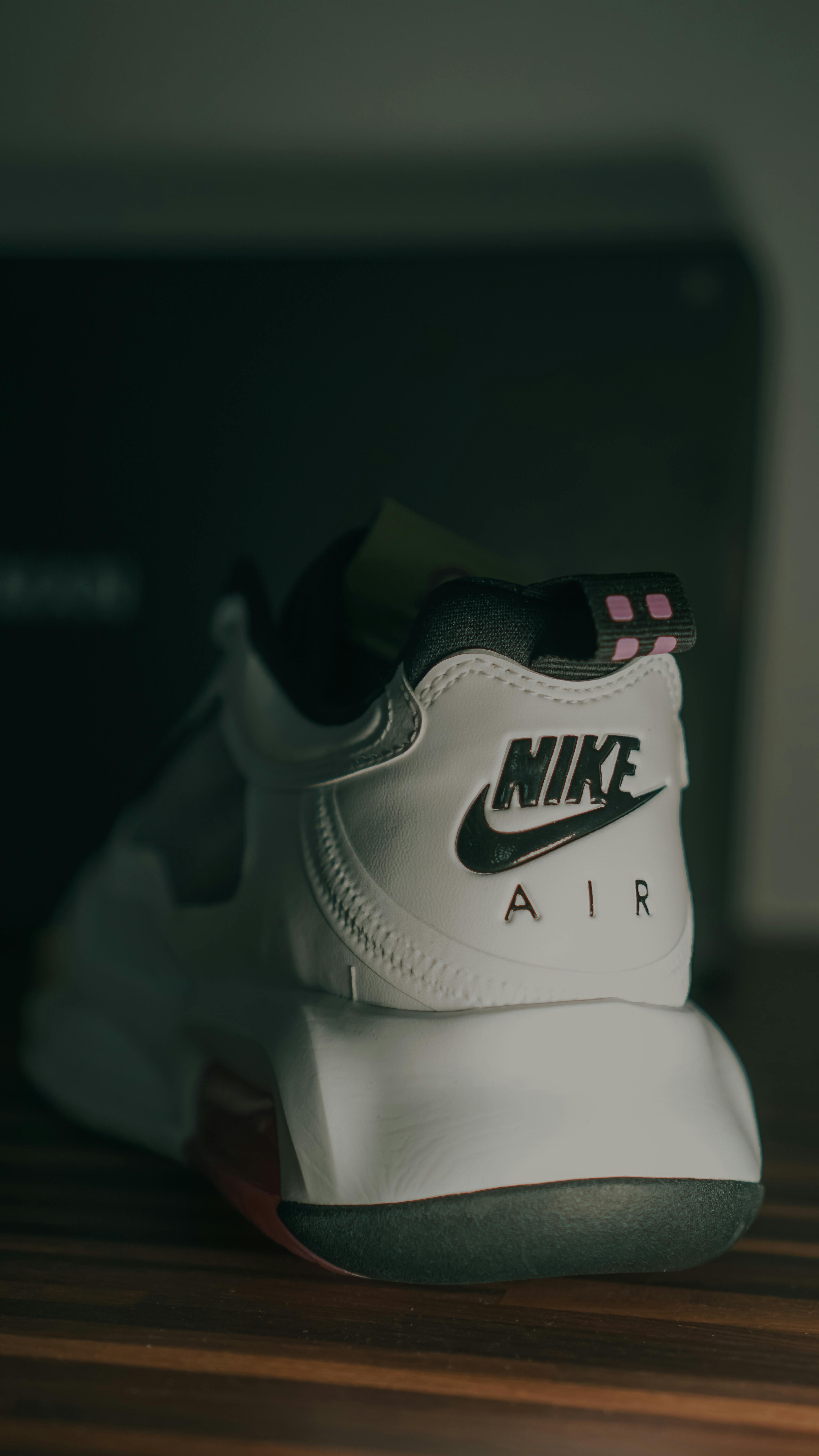
High-top Air Jordans generally feature more real estate, which allows designers to include multi-color blocking and contrasting textures across the shoe’s upper. This extra real estate is why legendary colorways like the Jordan 1 High “Union LA” and “Travis Scott” collabs look so aesthetically rich — there is plainly more room to employ. Jordan Lows shrink that same design approach into a more compact canvas, which can either appear more refined or seem crowded depending on the colorway. Leather, nubuck, suede, and patent leather all are used across both cuts, though luxury fabrics commonly appear more frequently in high-cut limited editions. In terms of longevity, the added construction on a high-top means somewhat greater coverage against marks around the ankle. Collectors committed to preserving their Jordans fresh for years frequently choose high-tops for this pragmatic factor alone.
High-Top vs Low-Top: Head-to-Head Comparison
| Category | High-Top Air Jordans | Low-Top Air Jordans |
|---|---|---|
| Ankle Support | Superior — extends past the ankle | Low — rests under the ankle bone |
| Weight per Shoe | 400–500 g per shoe | 340–420 g per shoe |
| Best Season | Fall / Winter | Spring / Summer |
| Style Versatility | Streetwear, athletic | Streetwear, casual, smart-casual |
| Break-In Time | 5–7 wears | 2–3 wears |
| Aftermarket Value | Usually higher | Moderate |
| Breathability | Fair | Superior |
| Average Retail Price | $170–$200 | $130–$170 |
Secondary Market Worth and Collector Appeal
In the resale market, high-top Air Jordans have historically attracted stronger price premiums than their shorter equivalents. Sales data from StockX demonstrates that the Air Jordan 1 High OG posts a 40 to 60 percent price increase over retail price in in-demand editions, while the Jordan 1 Low OG commonly records a 15 to 30 percent price increase. Exclusive high-tops, specifically those linked to collaborations with creatives like Virgil Abloh or Travis Scott, have achieved aftermarket values exceeding $2,000 in mint condition. Jordan Lows are beginning to close that gap, however, as Jordan Brand doubles down in dedicated low-profile drops geared toward casual wearers. The Travis Scott x Air Jordan 1 Low Reverse Mocha, for example, commanded far above $1,500 on aftermarket sites throughout 2023 and 2024. For buyers focused on long-range returns, high-tops continue to be the more secure investment, but the Jordan Low market is developing swiftly and deserves attention.
Which One Should You Choose?
Your selection when it comes down to it comes down to how and where you expect to wear your Air Jordans. If on-court performance is a priority — even casually — the structural advantages of a high-top are compelling, and the added ankle support can avert injuries that would bench you for weeks. For everyday wear across multiple contexts, a low-top Air Jordan provides superior flexibility, a lighter build, and an quicker break-in period that works perfectly with a active schedule. Budget-conscious buyers will also benefit from that low-cut models commonly are priced $20 to $40 cheaper than their high-top versions, expanding your footwear budget additionally. If possible, a well-rounded collection has at least one of each: a high-top for making a statement and colder months, and a low-top for casual spring and summer styling. Take stock of your present clothing collection, assess your physical activity, and weigh your climate before deciding. Whichever style you go with, you are buying into a design supported by over 40 years of sneaker innovation from Jordan Brand.
The Ultimate Conclusion
The high-top versus low-top discussion has no single correct answer because both formats thrive in distinct situations. High-top Air Jordans deliver top-tier ankle stability, more impressive resale premiums, and a bolder visual presence that commands sneaker photography and sneaker meetups. Low-top Air Jordans counter with reduced weight, speedier break-in times, more expansive outfit compatibility, and a more affordable price point for new collectors. In 2026, Jordan Brand continues to advance across both silhouettes, debuting new cushioning technology and sustainable materials that enhance both choices year over year. The best method is to consider each pair on its own merits rather than using a blanket preference for one format over the other. Whether you rock high-tops for a weekend sneaker meet or step into a low-top pair for a warm-weather gathering, the Jumpman logo on your foot bears the same historic significance.